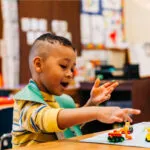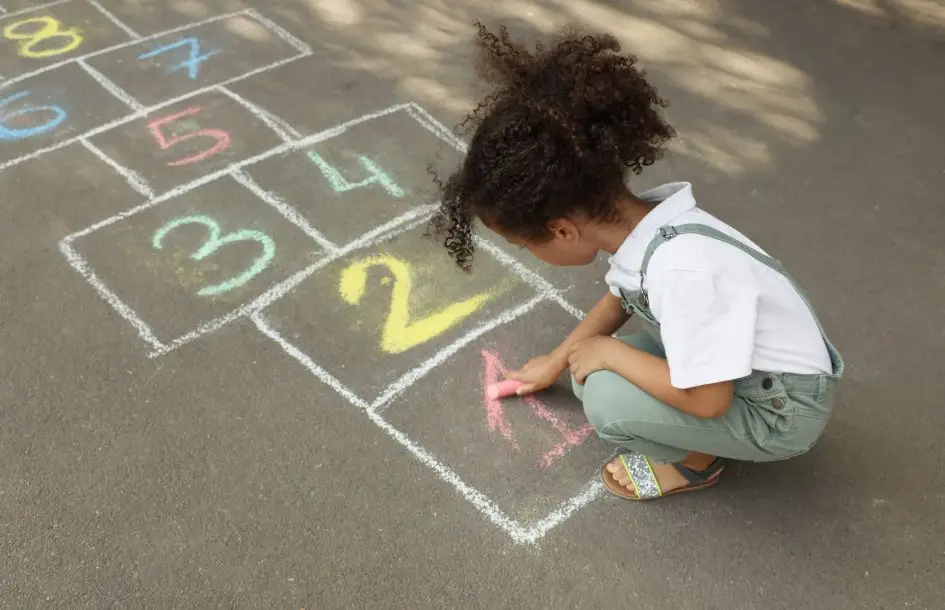

Early math skills for preschoolers develop naturally through everyday play, helping children build confidence with numbers, patterns, and problem-solving long before formal instruction begins. When children are engaged in hands-on activities, math becomes something they experience, not something they are told to memorize.
In early childhood classrooms, especially in programs such as those in Potomac, MD, educators often notice that children who explore numbers through play are more confident with early problem-solving and more willing to try new learning tasks.
Play is one of the most effective ways to introduce early childhood numeracy skills because it removes pressure and replaces it with curiosity. Instead of focusing on correct answers, children explore “what happens if…” and “how many…” through real experiences.
Through play, children naturally begin to understand:
Preschools in Potomac, MD often see that children learn mathematical thinking faster when it is embedded in daily routines rather than taught in isolation.
You can learn more about this in our article on Why Play Is Important for Preschoolers, where we explore how play supports multiple areas of development.

Children do not need worksheets to develop strong preschool math activities skills. Instead, math learning happens in small, meaningful moments throughout the day.
When children stack blocks, they are exploring:
Educators in Potomac, MD preschools often notice children naturally begin comparing which towers are taller or which structures use more blocks, strengthening early math reasoning.
Sorting toys, snacks, or household items helps children build:
For example, children may sort by color, shape, or size without realizing they are practicing foundational math concepts.
Dramatic play activities like grocery stores or kitchens introduce early math naturally:
This type of learning through play preschool approach helps children connect math to real-life situations.

Movement-based play strengthens both the body and the brain. When children jump, clap, or move in patterns, they are building foundational math readiness for kindergarten skills.
Examples include:
You can learn more in our article: Ways Movement Boosts Learning and Brain Development in Children.
Supporting early math does not require formal teaching. Besides play, small daily habits are often the most effective.
Try:
These simple interactions help reinforce early math skills for preschoolers in a natural and stress-free way.
For more activities, visit: 6 Hands-On Math Activities for Preschoolers (No Worksheets Needed)

Early math skills grow gradually through repetition, exploration, and encouragement. Through play, children learn that math is not just something they do in school, it is part of everyday life.
With consistent opportunities for exploration, children develop:
Play gives children the freedom to experiment, discover, and grow at their own pace, building the foundation for lifelong learning in math and beyond.
For more on play based learning, visit:
MCCA has been recognized by the Maryland State Legislature for its commitment to Montgomery County issued a quality programs and special needs child care Proclamation in 2016 to MCCA for its commitment to Montgomery County child care for more than 50 years. MCCA was also selected as a 2018 nonprofit finalist for a MOXIE Award for boldness and innovation
MCCA is the oldest nonprofit licensed child care provider in Montgomery County and started its work in 1968 as a Community Action Project of the War on Poverty. Recognizing the need for quality child care programs in their neighborhoods, a group of local activists formed an association to establish centers in Montgomery County that would serve a diverse population and establish high standards for child care. Now, more than 50 years later, MCCA’s dedicated and expertly trained staff continue their tradition of providing high quality child care and play-based education for children.
Families with school aged children who can afford their child care expenses during the school year often struggle to afford the all-day programs they need when school is out for the summer. The Richard Krampf Summer Adventures Scholarship Fund was established to help provide children a safe and stimulating place to spend their weeks when school is out. Please contact an MCCA Director for details on how to apply.