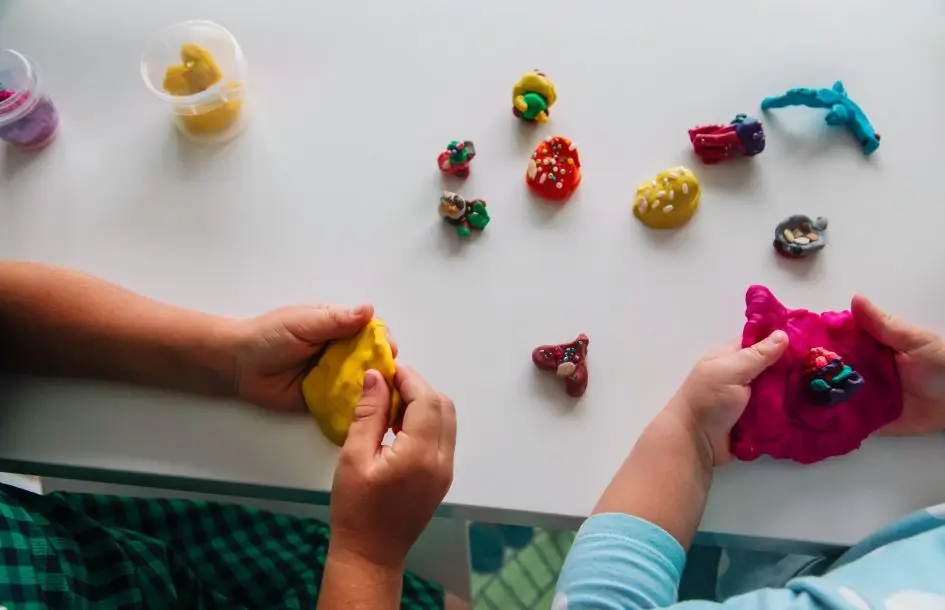

Fine motor activities for toddlers help strengthen the small muscles in their hands and fingers while building important skills they use every day. Actions such as picking up small objects and learning how to use utensils develop hand strength, coordination, and control through simple hands-on experiences.
The best toddler activities often do not require expensive toys or complicated setups. Everyday items found at home can provide meaningful opportunities for children to practice new skills while exploring through play.
Educators in Rockville often notice that toddlers become more confident with daily tasks when they have regular opportunities to practice fine motor skills through hands-on activities.
Fine motor skills are the small movements children make using their hands, fingers, and wrists. These skills help toddlers complete everyday tasks and prepare for future activities like writing, drawing, and using classroom materials.
Toddlers use fine motor skills when they:
As toddlers strengthen these skills, they become better able to participate in everyday activities such as getting dressed, eating, cleaning up toys, and creating artwork.
Fine motor development also supports early learning skills, including:
You can learn more about fine motor skills in: Fine Motor Skills for Children: Simple Daily Activities to Build Strength & Coordination

Playdough is a simple way for toddlers to strengthen their hands while being creative.
Children can:
Sorting activities help toddlers practice grasping, releasing, and making choices.
Place different colored pom-poms or large soft objects in a container and encourage your child to sort them by color or size.
For younger toddlers, focus on simply picking up and moving the objects from one container to another.
Tip: Always supervise closely and avoid small objects that may be choking hazards.
Sticker activities are a fun way to build finger control and hand-eye coordination.
Give your child large stickers and encourage them to:
Peeling and placing stickers requires careful finger movements that help strengthen fine motor control.
Simple transferring games encourage toddlers to use careful hand movements.
Try having children move items between containers using:
You can use items such as:
These activities help toddlers practice coordination while learning through exploration.
Sensory bins allow toddlers to explore different textures while practicing hand movements.
Fill a container with safe materials such as:
Children can scoop, pour, pick up, and move objects while strengthening coordination.
Explore sensory bins in: Spring Sensory Bins for Kids: Fun Hands-On Learning Activities
Art activities provide many opportunities to practice fine motor skills.
Try:
Open-ended art allows toddlers to explore materials while developing control over their movements.
We’ve explored open play in: Why Open-Ended Play Matters for Children’s Growth and Learning.

Fine motor activities for toddlers do not need to be complicated to be effective. Simple experiences like playing with playdough, creating artwork, sorting objects, and practicing daily routines help children strengthen hand muscles and develop confidence.
Through hands-on play, toddlers learn important skills that support independence, creativity, and future classroom success.
For more early learning ideas, explore:
MCCA has been recognized by the Maryland State Legislature for its commitment to Montgomery County issued a quality programs and special needs child care Proclamation in 2016 to MCCA for its commitment to Montgomery County child care for more than 50 years. MCCA was also selected as a 2018 nonprofit finalist for a MOXIE Award for boldness and innovation
MCCA is the oldest nonprofit licensed child care provider in Montgomery County and started its work in 1968 as a Community Action Project of the War on Poverty. Recognizing the need for quality child care programs in their neighborhoods, a group of local activists formed an association to establish centers in Montgomery County that would serve a diverse population and establish high standards for child care. Now, more than 50 years later, MCCA’s dedicated and expertly trained staff continue their tradition of providing high quality child care and play-based education for children.
Families with school aged children who can afford their child care expenses during the school year often struggle to afford the all-day programs they need when school is out for the summer. The Richard Krampf Summer Adventures Scholarship Fund was established to help provide children a safe and stimulating place to spend their weeks when school is out. Please contact an MCCA Director for details on how to apply.