Alphabet activities for preschoolers help build the early literacy skills they need before learning to read and write. Through playful experiences, preschoolers begin recognizing letters, connecting them with sounds, and understanding that print has meaning.
The best part is that alphabet learning doesn’t have to involve flashcards or worksheets. Simple games, crafts, movement, and everyday conversations can help children learn naturally while having fun.
Teachers in Silver Spring often notice that children develop stronger letter recognition when they have regular opportunities to explore the alphabet through hands-on play and meaningful daily experiences.

Children learn best when they can see, touch, move, and play. Mixing different types of activities keeps learning exciting while helping children remember letters in multiple ways.
Try these simple ideas at home:
Alphabet Scavenger Hunt
Choose one letter and invite your child to find it around the house.
Look for letters on:
As children become more confident, ask them to find objects that begin with that letter’s sound.
Match Uppercase and Lowercase Letters
Write uppercase letters on one set of index cards and lowercase letters on another.
Have your child find the matching pairs while saying each letter aloud.
Find the Letters in Your Child’s Name
A child’s name is often the perfect place to begin learning letters.
Point out:
Educators in Silver Spring frequently see children become excited about letter recognition when they begin identifying the letters in their own names.
Read Aloud
Reading together remains one of the most effective early literacy activities for preschoolers.
As you read:
These small conversations help children see letters in meaningful contexts while building a love of books
You can explore more literacy-building ideas in our article on How to Encourage Back-and-Forth Conversations in Preschoolers.

Creative projects allow children to explore letters while strengthening fine motor skills.
Make Letter Collages
This activity helps children connect letters with vocabulary. Have your child choose one letter and decorate it using pictures or objects that begin with that sound.
For example, the letter ‘B’ could include:
Build Letters With Craft Materials
Building letters helps children understand how each letter is formed. Children can build letters using:
Many preschoolers learn best when they can move their bodies while learning.
Alphabet Hop
To make the game more challenging, ask them to say a word that starts with the letter before jumping.
Letter Bean Bag Toss
Short, consistent practice is often more effective than long lessons.
Many families find success by spending 10 to 15 minutes each day exploring letters through games, crafts, books, or everyday conversations.
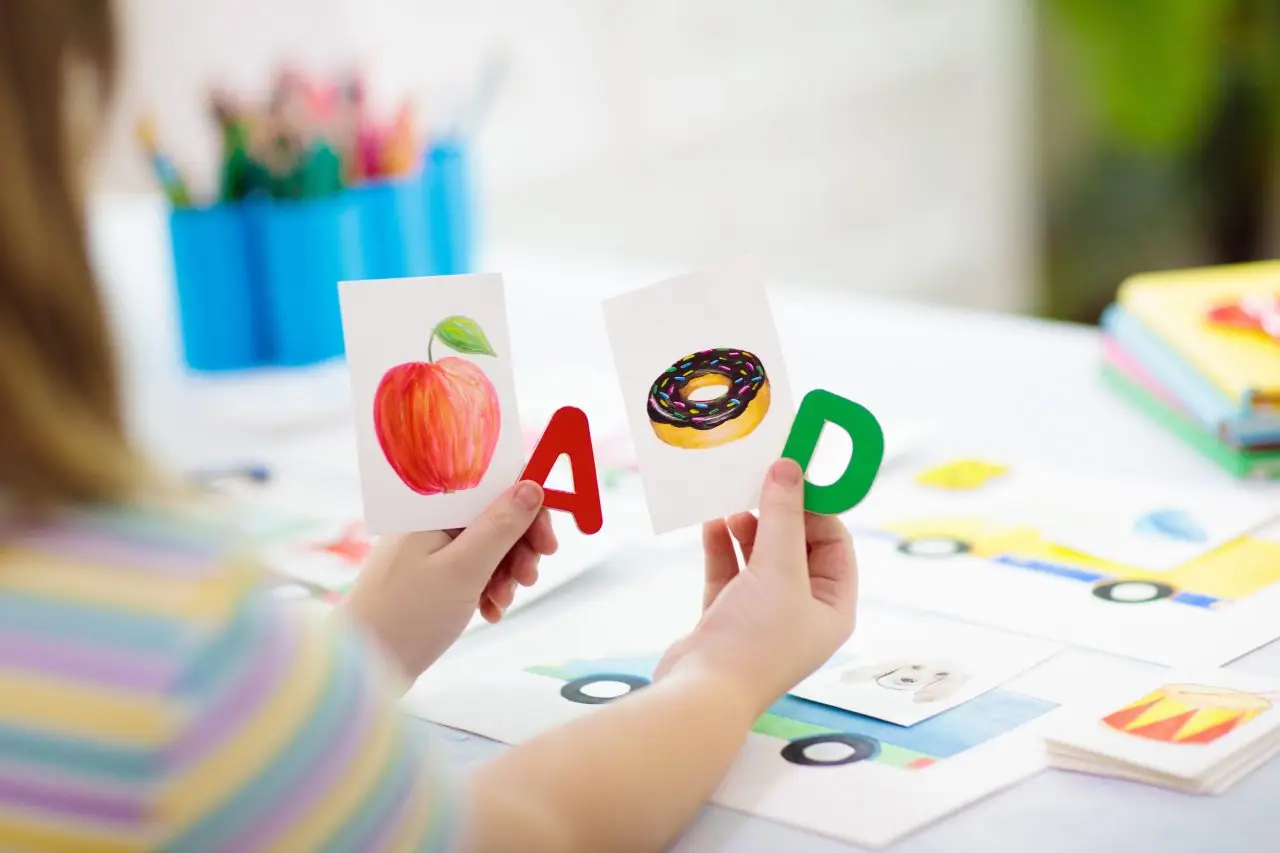
Alphabet activities for preschoolers don’t need to be complicated to make a lasting impact. Whether children are matching letters, creating alphabet crafts, playing movement games, or discovering letters during story time, every playful interaction helps strengthen early literacy skills.
With regular opportunities to explore letters in fun and meaningful ways, children build the confidence, curiosity, and letter recognition skills that prepare them for future reading success.
MCCA has been recognized by the Maryland State Legislature for its commitment to Montgomery County issued a quality programs and special needs child care Proclamation in 2016 to MCCA for its commitment to Montgomery County child care for more than 50 years. MCCA was also selected as a 2018 nonprofit finalist for a MOXIE Award for boldness and innovation
MCCA is the oldest nonprofit licensed child care provider in Montgomery County and started its work in 1968 as a Community Action Project of the War on Poverty. Recognizing the need for quality child care programs in their neighborhoods, a group of local activists formed an association to establish centers in Montgomery County that would serve a diverse population and establish high standards for child care. Now, more than 50 years later, MCCA’s dedicated and expertly trained staff continue their tradition of providing high quality child care and play-based education for children.
Families with school aged children who can afford their child care expenses during the school year often struggle to afford the all-day programs they need when school is out for the summer. The Richard Krampf Summer Adventures Scholarship Fund was established to help provide children a safe and stimulating place to spend their weeks when school is out. Please contact an MCCA Director for details on how to apply.