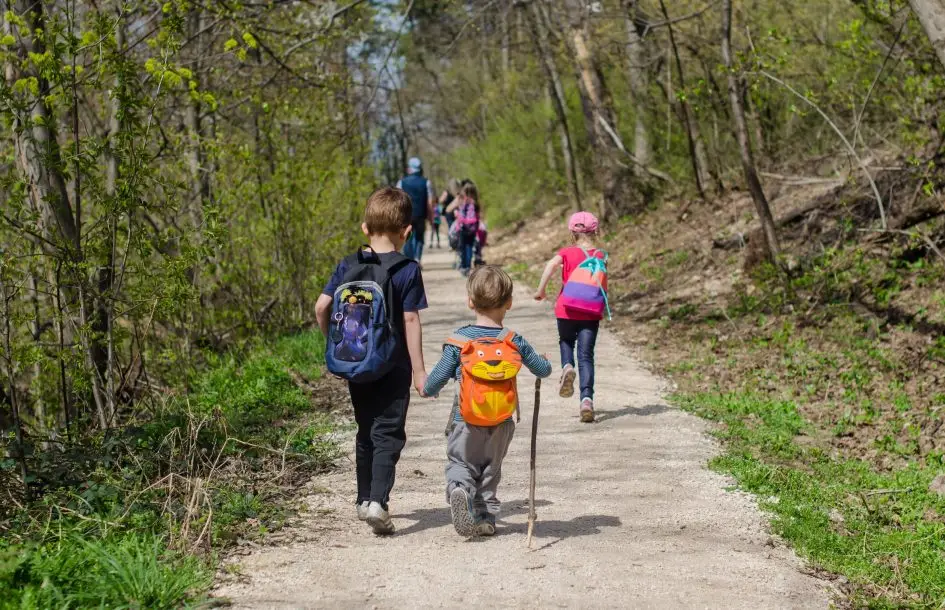

Earth Day activities are a meaningful way to help young children learn about nature, kindness, and caring for the world around them. Preschoolers learn best through hands-on experiences, and Earth Day offers the perfect opportunity to turn simple activities into lifelong lessons about responsibility and respect for the environment.
The goal does not need to be teaching big environmental concepts. At this age, small everyday actions often have the biggest impact.
Young children are naturally curious about plants, animals, weather, and outdoor spaces. Earth Day gives parents and educators a chance to build on that curiosity while introducing simple habits that support care and responsibility.
In early childhood classrooms, especially in programs such as those in Silver Spring, MD teachers often notice that children feel proud when they are trusted with small jobs like watering plants, sorting materials, or helping clean up shared spaces.
Simple preschool Earth Day activities support many areas of development.
Children Build:
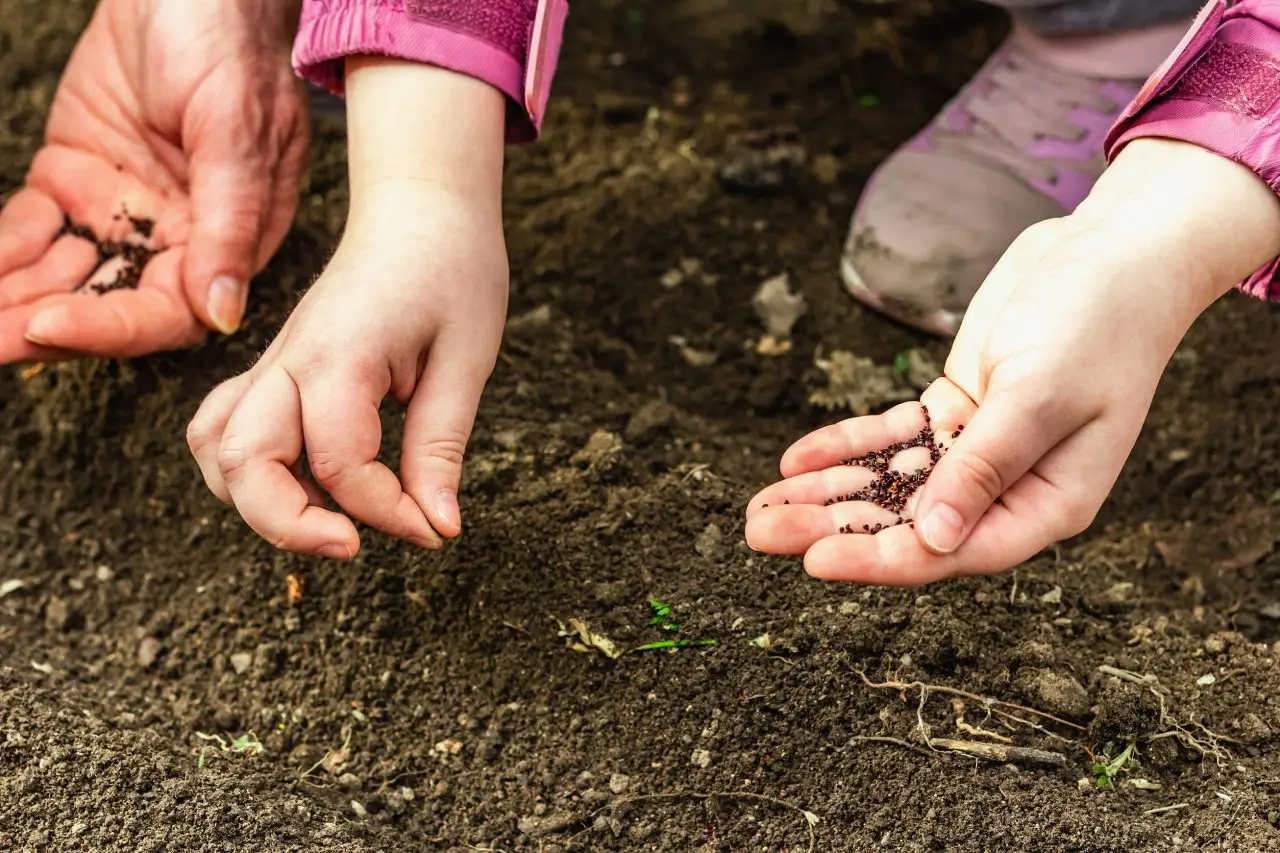
This activity helps children understand basic plant science as they observe how seeds grow over time and learn what plants need to survive. It also introduces early responsibility as they care for their plant each day.
Just as importantly, it teaches patience and observation, as children wait and watch for changes that happen slowly over time. This helps them understand that growth takes time and consistent care.
Materials:
Steps:
This activity encourages children to think how materials like boxes, tubes, and containers can have new uses and meanings when reused in different ways, helping them build awareness of care and responsibility for their environment.
It also supports problem-solving and flexible thinking as children decide what each item could become in their project while building fine motor skills and creativity through cutting, gluing, and assembling their designs.
Materials:
Ideas:
We’ve explored creativity further in: 7 Imagination Activities for Children That Encourage Creativity and Learning

This activity turns a simple walk or outdoor time into a fun Earth Day learning experience where children explore colors, textures, and nature items. They also begin to notice that natural materials are different, strengthening observation and attention to detail.
Materials:
Steps:
Preschools such as those in Silver Spring, MD often use outdoor discovery activities to connect learning with real experiences.
This hands-on Earth Day craft helps preschoolers understand the idea of caring for the planet while practicing creativity and fine motor skills.
Materials:
Steps:

One of the most meaningful Earth Day activities for preschoolers is simply getting outside and experiencing nature in a new way to build a real connection with the world around them.
Spending time outdoors can include:
Young children learn best through movement, exploration, and hands-on experiences, and nature naturally supports all of these at once. These experiences support important developmental skills, including:
You can learn more in: Ways Movement Boosts Learning and Brain Development in Children
There is no “right way” for this activity to look. The value comes from slowing down, following your child’s curiosity, and letting them experience nature in a relaxed, unstructured way. You can also extend the learning by simply talking together afterward about what they noticed, enjoyed, or want to explore again.
Earth Day does not need to be one single activity. Children learn best when values are practiced regularly.
Small Habits That Help:
These everyday habits help children connect caring actions with real life.
Earth Day activities for preschoolers help children build more than knowledge, they build care, responsibility, and connection. Through planting, exploring, cleaning, and creating, children learn that even small actions can make a positive difference.
With simple hands-on experiences, families can nurture a lifelong respect for nature and the world around them.
For more activities this spring, visit:
MCCA has been recognized by the Maryland State Legislature for its commitment to Montgomery County issued a quality programs and special needs child care Proclamation in 2016 to MCCA for its commitment to Montgomery County child care for more than 50 years. MCCA was also selected as a 2018 nonprofit finalist for a MOXIE Award for boldness and innovation
MCCA is the oldest nonprofit licensed child care provider in Montgomery County and started its work in 1968 as a Community Action Project of the War on Poverty. Recognizing the need for quality child care programs in their neighborhoods, a group of local activists formed an association to establish centers in Montgomery County that would serve a diverse population and establish high standards for child care. Now, more than 50 years later, MCCA’s dedicated and expertly trained staff continue their tradition of providing high quality child care and play-based education for children.
Families with school aged children who can afford their child care expenses during the school year often struggle to afford the all-day programs they need when school is out for the summer. The Richard Krampf Summer Adventures Scholarship Fund was established to help provide children a safe and stimulating place to spend their weeks when school is out. Please contact an MCCA Director for details on how to apply.