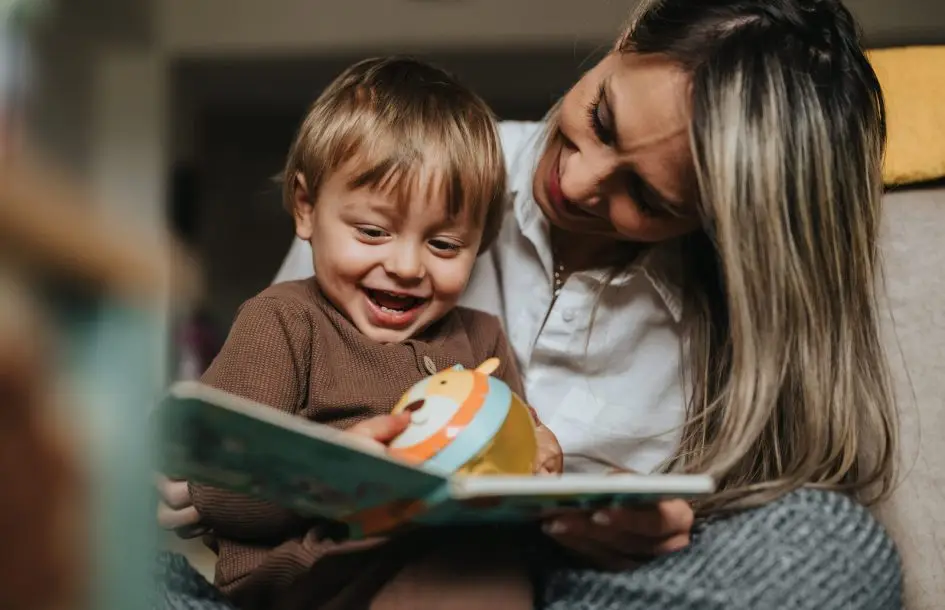

Getting your child interested in reading doesn’t have to mean sitting down with a book for long periods or asking them to practice letters every day. For preschoolers, developing a love of reading often starts with exploring colorful pictures, choosing favorite stories, and spending enjoyable time with a parent. Simple early literacy activities at home can help children build vocabulary, use their imagination, and become more comfortable with books at their own pace.
If your child loses interest quickly or would rather play than listen to a story, there are plenty of ways to make reading feel more natural. A few small changes to your daily routine can help turn books into something your child looks forward to.
Children are often more interested in reading when they have a say in what they read. Instead of always picking a book yourself, let your child choose a story from the shelf at home or during a library visit.

Your child might prefer books about dinosaurs, animals, trucks, fairy tales, or familiar everyday experiences. Even if they choose the same book several times in a row, following their interests can help them associate reading with enjoyment.
Try these simple ideas:
Giving children choices helps them feel involved rather than making reading seem like another task an adult expects them to complete.
Your child doesn’t need to read the words on a page to benefit from a book. Looking closely at illustrations and talking about what’s happening can support language development, observation, and storytelling skills.

As you read together, take a moment to explore the pictures instead of rushing through the text. Ask open-ended questions that encourage your child to share their thoughts.
Give your child time to answer, even if they respond with only a few words. You can also point out interesting details or make up a story together based on the illustrations. These conversations help children connect words with ideas and understand that books can be explored in many different ways.
Learn more: Storytelling Activities for Preschoolers: Building Language and Imagination offers more ways to help children create stories, retell familiar tales, and express their ideas.
If your preschooler asks for the same book every night, you don’t need to rush them toward something new. Repetition is a natural part of how young children learn.
As children become familiar with a story, they may start finishing sentences, repeating memorable phrases, recognizing characters, or predicting what happens next. These moments help them become active participants rather than simply listening.
Learn more about the benefits of repetition in: Why Repetition Is Important for Preschool Learning.
You can also make familiar stories more interactive by:
Children may also enjoy acting out a favorite scene with stuffed animals or toys after reading. These playful extensions help bring stories to life and give children another opportunity to use their imagination.
Not every child will sit through an entire book, and that’s okay. Preschoolers have different attention spans, and their interest can change depending on the time of day, the story, and what else is happening around them.
Instead of insisting that your child finish a book, start with a few pages and build from there when they are interested. Use expressive voices, point to exciting illustrations, or pause to let your child comment on the story. If your child starts wiggling, looking around, or asking to do something else, you can finish the session on a positive note and try again later.
Educators in Rockville preschool classrooms also use engaging storytime experiences to help children connect with books. Parents can try similar approaches at home by choosing relatable stories, using expressive voices, and inviting children to predict what happens next.
Reading doesn’t have to happen at a designated time or in a particular place. Finding natural opportunities throughout the day can help children become familiar with books without feeling pressured.
For example, families can:
Stories can become even more interesting when children recognize something from their own lives. Connecting a book to an activity, outing, or familiar experience helps children see how stories relate to the world around them.
After reading a book about gardening, for example, you could plant seeds together and watch them grow. A story about animals might inspire a visit to the library to find more animal books. If your child enjoys a book about cooking, invite them to help measure ingredients for a simple recipe.
You can also encourage your child to share personal connections by asking questions such as, “Have you ever seen an animal like that?” or “Does this remind you of something we did?”
Children are more likely to explore books when they can access them independently. You don’t need a large home library or an elaborate reading corner to encourage this habit.

Start with a small basket of books in your child’s bedroom, play area, or another comfortable spot. Place books at a height your child can reach, and occasionally rotate the selection to introduce different stories. You can also include books alongside related toys. For instance, place animal books near toy animals or keep construction-themed stories close to building blocks.
Public libraries are another helpful resource for families who want to discover new books without purchasing them. Letting your child browse the shelves and choose a few titles can make reading feel like an activity they help plan.
It’s natural to want to know whether your child understands a story or is learning new words. However, constantly asking questions with a right or wrong answer can sometimes make reading feel more like a lesson than an enjoyable experience. Instead of turning every page into a quiz, follow your child’s interests and let the conversation develop naturally.
If your child points to a picture, talk about what they notice. If they ask why a character did something, explore the question together. If they make up a different ending, encourage their creativity. You can also model curiosity by wondering aloud about the story. For example, say, “I wonder why the bear looks so surprised,” and give your child a chance to share their thoughts.
Educators in Garrett Park preschool classrooms can encourage similar curiosity by giving children time to describe what they see, share their interpretations, and invent their own stories. At home, parents can reinforce these skills by listening closely and showing interest in their child’s ideas.
Every child develops interests at their own pace, and becoming an enthusiastic reader doesn’t happen overnight. Some children love books from an early age, while others need time to discover the kinds of stories that capture their attention.
Keep offering books, follow your child’s interests, and celebrate small moments of curiosity. A conversation about a picture, a familiar phrase repeated together, or a story shared before bed can all help children build a positive relationship with reading. With patience and encouragement, families can make books a natural part of everyday life and help children discover that reading can be enjoyable, imaginative, and full of possibilities.
MCCA has been recognized by the Maryland State Legislature for its commitment to Montgomery County issued a quality programs and special needs child care Proclamation in 2016 to MCCA for its commitment to Montgomery County child care for more than 50 years. MCCA was also selected as a 2018 nonprofit finalist for a MOXIE Award for boldness and innovation
MCCA is the oldest nonprofit licensed child care provider in Montgomery County and started its work in 1968 as a Community Action Project of the War on Poverty. Recognizing the need for quality child care programs in their neighborhoods, a group of local activists formed an association to establish centers in Montgomery County that would serve a diverse population and establish high standards for child care. Now, more than 50 years later, MCCA’s dedicated and expertly trained staff continue their tradition of providing high quality child care and play-based education for children.
Families with school aged children who can afford their child care expenses during the school year often struggle to afford the all-day programs they need when school is out for the summer. The Richard Krampf Summer Adventures Scholarship Fund was established to help provide children a safe and stimulating place to spend their weeks when school is out. Please contact an MCCA Director for details on how to apply.