
Teaching children about winter is a meaningful way to help young learners understand the world around them. Winter introduces natural changes such as cold temperatures, early sunsets, snow, frost, and bare trees. With simple hands-on experiences, families can help children explore these changes in ways that feel fun, comforting, and age-appropriate.
Early learning programs, including those in Silver Spring, often incorporate winter themes into daily routines because real-time weather helps children connect abstract concepts to what they see outside their window.
Young children learn best through direct experience and observation. Winter naturally provides opportunities to explore various science concepts, including temperature, states of matter, and seasonal shifts.
Teaching children about winter supports:
Programs in Silver Spring preschools use winter as a rich teaching moment because children are naturally curious about the changes happening outdoors.
Children learn about winter best when they can see, touch, talk about, and experience the concepts. The following hands-on teaching ideas are learning opportunities that help children make meaningful connections.
You don’t need snow to teach about winter. Look out the windows, step outside briefly, take a walk, or pause during school drop-off to discuss what you see.
Try guiding your child with simple questions:
This helps children connect vocabulary to real experiences.
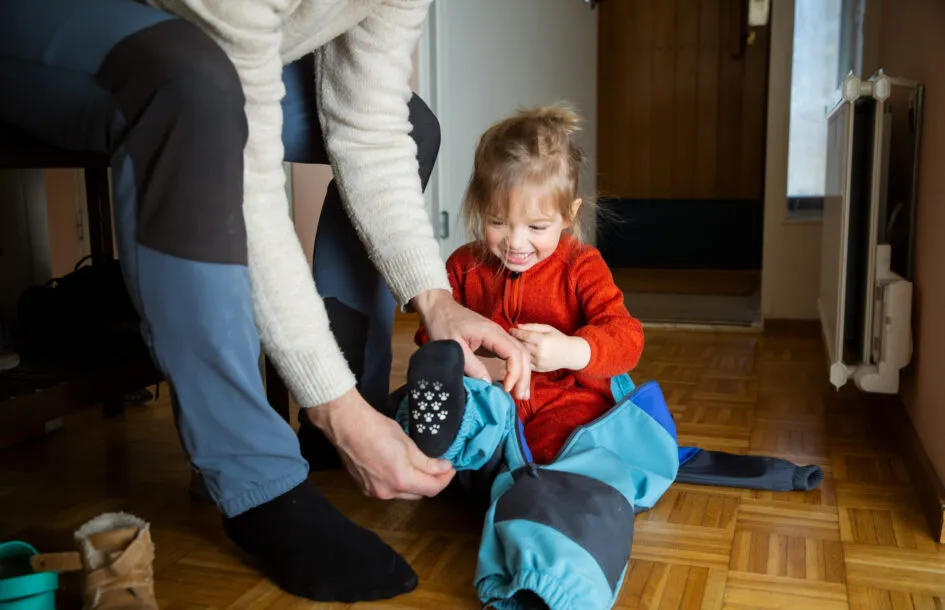
Putting on winter clothing is one of the easiest ways to explain seasonal change, build early science understanding, and promote independence.
You can introduce simple concepts like:

Ice is a powerful teaching tool for explaining how temperature affects water.
Try freezing small toys or leaves in ice cubes and let your child:
This supports early learning around states of matter, solid and liquid, without feeling like a structured lesson.
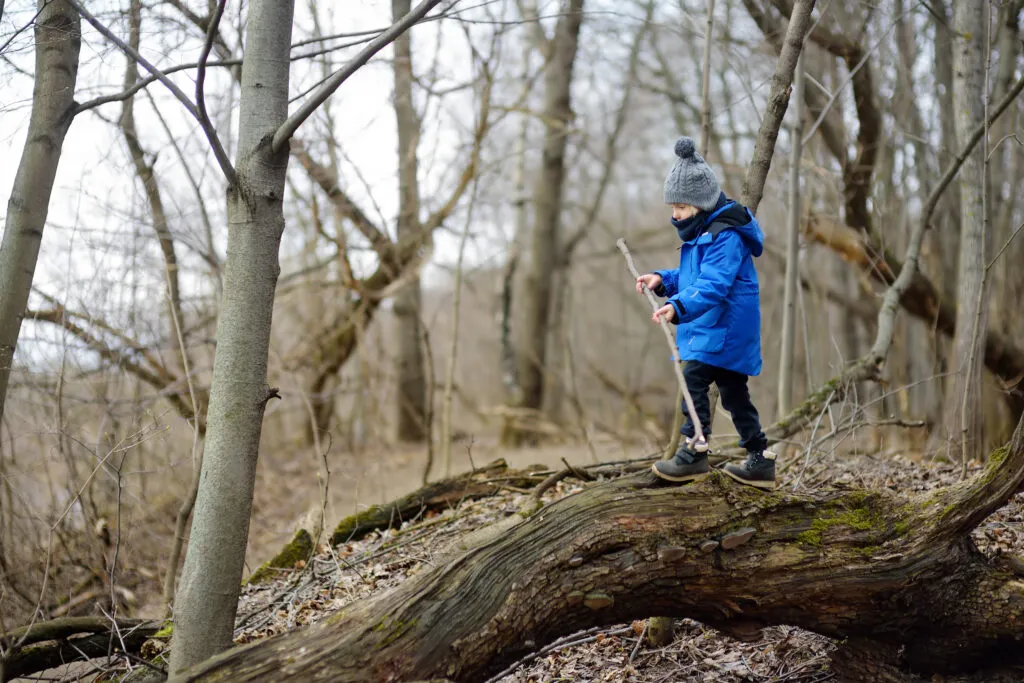
A short and safe walk just outside your home, weather permitting, can reveal so many signs of winter:
Encourage your child to notice changes using their senses: what do they see, hear, and feel?
If you want more ideas for outdoor learning, check out our post on Fun Fall Nature Walk Activities for Kids (many activities apply to winter too!).
If you cannot make it outside, you can observe through a window at home or spend some time reading winter-themed books. Reading is a meaningful way to help children understand the season. Stories introduce ideas like snow, hibernation, chilly weather, winter clothing, and seasonal changes in a comforting, age-appropriate way.
When you read together, pause to ask simple questions that build early science thinking:
For other fun ways to teach about winter through stories, see: Storytelling Activities for Preschoolers: Building Language and Imagination

Each winter moment, whether big or small, supports a different area of development:
Science and Curiosity: Children naturally ask questions when the weather changes. Guiding them as they explore helps build foundational scientific thinking.
Self-Help Skills: Zipping coats, pulling on boots, and choosing warm clothing boost confidence and independence.
Emotional Comfort: Some children feel unsure about cold or new routines. Talking through the season helps them understand what to expect.
Language and Communication: Describing the weather allows children to expand their vocabulary and express their observations clearly.
Teaching children about winter gives families the chance to explore nature, learn new concepts, and build daily routines together. Through hands-on experiences, children gain scientific understanding, stronger language skills, and confidence.
Whether observing frost outside a Silver Spring preschool or exploring ice at the kitchen table, winter provides endless learning moments for curious young minds.
For more early learning ideas, explore our posts:
MCCA has been recognized by the Maryland State Legislature for its commitment to Montgomery County issued a quality programs and special needs child care Proclamation in 2016 to MCCA for its commitment to Montgomery County child care for more than 50 years. MCCA was also selected as a 2018 nonprofit finalist for a MOXIE Award for boldness and innovation
MCCA is the oldest nonprofit licensed child care provider in Montgomery County and started its work in 1968 as a Community Action Project of the War on Poverty. Recognizing the need for quality child care programs in their neighborhoods, a group of local activists formed an association to establish centers in Montgomery County that would serve a diverse population and establish high standards for child care. Now, more than 50 years later, MCCA’s dedicated and expertly trained staff continue their tradition of providing high quality child care and play-based education for children.
Families with school aged children who can afford their child care expenses during the school year often struggle to afford the all-day programs they need when school is out for the summer. The Richard Krampf Summer Adventures Scholarship Fund was established to help provide children a safe and stimulating place to spend their weeks when school is out. Please contact an MCCA Director for details on how to apply.