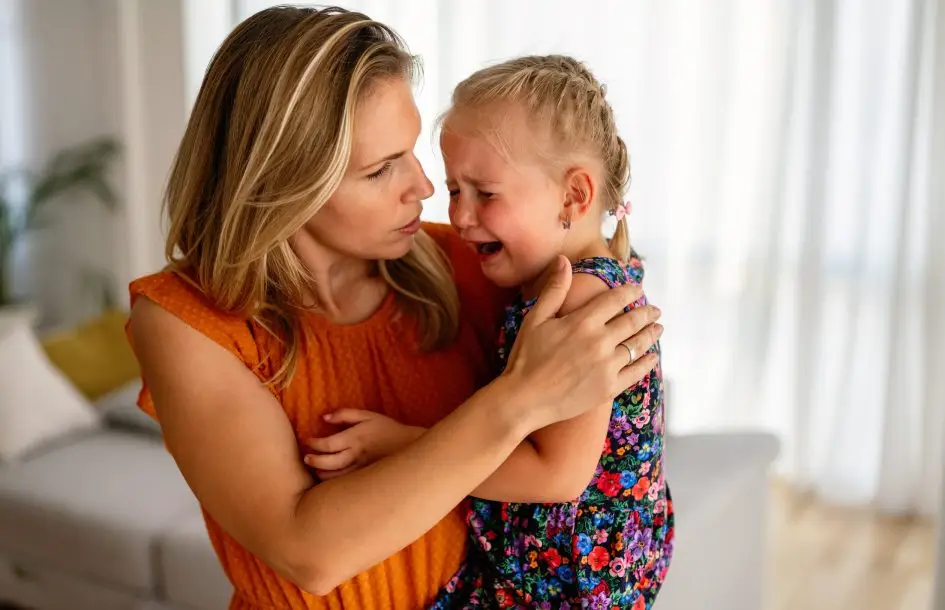

Emotional regulation for preschoolers is one of the most important early childhood skills parents can support, especially during the toddler and preschool years when big feelings often feel overwhelming. Learning how to manage emotions does not happen overnight, it develops slowly through consistent routines, modeling, and supportive guidance from adults.
For many families, these early years can include tantrums, frustration, and difficulty with transitions. With the right strategies, children gradually learn how to understand their emotions and respond in calmer, more appropriate ways.
Emotional regulation for preschoolers refers to a child’s ability to recognize feelings, manage strong emotions, and respond in socially appropriate ways.
At this age, children are still learning:
Teachers in Silver Spring, MD preschools often see that emotional regulation develops gradually through repetition and consistent adult support rather than quick instruction.
Strong emotional regulation skills are closely connected to school success. When children can manage their emotions, they are better able to learn, connect with others, and participate in group settings.
Key benefits include:
Educators in Silver Spring, MD notice that children who are supported with emotional regulation strategies tend to adjust more confidently to structured preschool environments.
Learn more about preschool readiness in: Preschool Readiness Checklist for Potomac Families

Supporting emotional regulation does not require complicated lessons. It happens through everyday interactions.
Children learn emotional vocabulary by hearing adults use it consistently.
Try saying:
This helps children connect physical feelings with emotional words.
Children learn more from what adults do than what they say.
When you stay calm during stressful moments, you are showing your child what emotional regulation looks like in real time. Even simple actions like slowing your voice or taking a breath can be powerful examples.
Play is one of the most effective tools for emotional learning.
Try:
You can learn more in, Why Play Is Important for Preschoolers, where play-based learning is explored in more depth.
Instead of sending children away when emotions are high, guide them toward calming strategies.
Examples include:
These moments teach children how to reset emotionally with support.

Physical movement helps children release built-up energy and reset their bodies.
Try:
These activities are especially helpful when children feel overwhelmed or restless.
Supervised sensory input helps children organize their emotions.
Examples include:
These tools support focus and emotional grounding.
Reading or creating stories helps children understand emotions through characters and situations.
Ask:
For story time activities, visit:

It’s important to remember that emotional regulation is still developing in preschoolers. Big reactions are normal because the brain areas responsible for impulse control are still growing.
Children improve emotional regulation gradually through practice, not perfection.
This means:
Even with support, children may still struggle with:
These behaviors are typical in early childhood and improve with consistent routines and guidance.
You can learn more in Helping Children Transition Between Activities: Practical Strategies for Parents , which connects closely to emotional regulation skills.
Teaching emotional regulation for preschoolers is not about stopping big feelings, it’s about helping children move through those feelings safely and confidently.
With time, children begin to:
These skills become the foundation for lifelong social and emotional success.
MCCA has been recognized by the Maryland State Legislature for its commitment to Montgomery County issued a quality programs and special needs child care Proclamation in 2016 to MCCA for its commitment to Montgomery County child care for more than 50 years. MCCA was also selected as a 2018 nonprofit finalist for a MOXIE Award for boldness and innovation
MCCA is the oldest nonprofit licensed child care provider in Montgomery County and started its work in 1968 as a Community Action Project of the War on Poverty. Recognizing the need for quality child care programs in their neighborhoods, a group of local activists formed an association to establish centers in Montgomery County that would serve a diverse population and establish high standards for child care. Now, more than 50 years later, MCCA’s dedicated and expertly trained staff continue their tradition of providing high quality child care and play-based education for children.
Families with school aged children who can afford their child care expenses during the school year often struggle to afford the all-day programs they need when school is out for the summer. The Richard Krampf Summer Adventures Scholarship Fund was established to help provide children a safe and stimulating place to spend their weeks when school is out. Please contact an MCCA Director for details on how to apply.