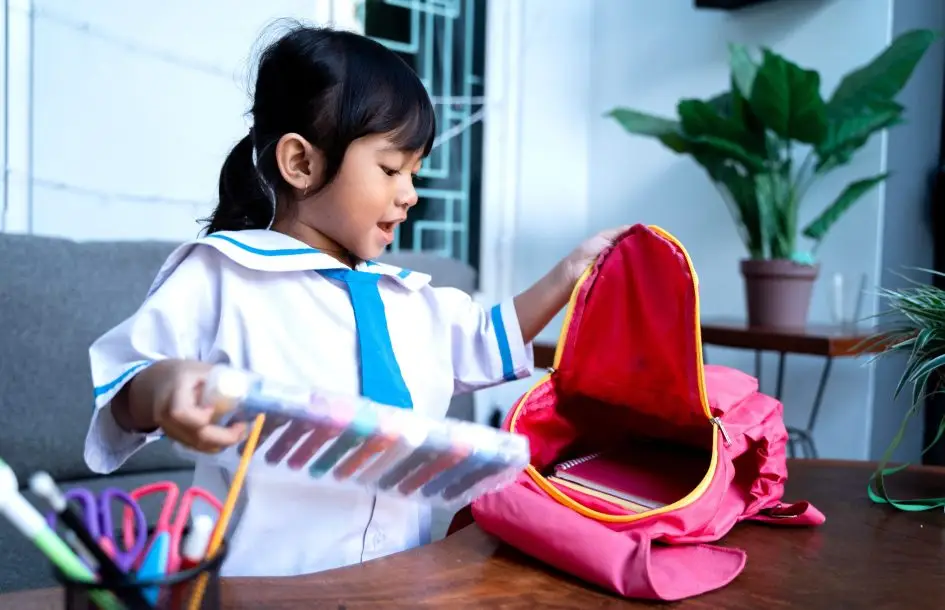

Preschool independence skills are an important part of early childhood development, helping children gain confidence, responsibility, and readiness for classroom learning. Many parents notice that their child wants to “do it myself” in some moments but resists independence in others, which is completely normal at this stage of development.
Building independence does not mean rushing children or expecting perfection. It means giving them small, consistent opportunities to try, practice, and grow over time.
Preschool independence skills refer to the everyday abilities children begin developing as they learn to complete simple tasks on their own.
These may include:
These small steps build confidence and help children feel capable in their environment. Teachers in Olney, MD preschools often see that children who practice independence at home adjust more easily to classroom routines.

Building independence in early childhood supports more than just daily routines. It directly impacts how children learn, interact, and adapt in preschool settings.
Key benefits include:
Educators in Olney, MD notice that children with developing independence skills often show more comfort separating from caregivers and engaging in classroom routines.
You can learn more in our article on Preschool Readiness Checklist for Families, which explores the everyday skills that support a smooth transition into school.
Even when parents encourage independence, it is common to experience resistance.
Some typical challenges include:
These behaviors are not signs of failure, they are part of learning. Preschool independence skills develop gradually through repetition and encouragement.

Supporting independence works best through small, consistent opportunities rather than pressure or correction.
Offering limited choices helps children feel control while still maintaining structure.
Examples:
This builds decision-making skills in a low-stress way.
Large tasks can feel overwhelming, so breaking them down helps children succeed.
Instead of “Get ready,” try:
Each step builds confidence and independence.
Independence takes longer at first. Giving children extra time reduces frustration for both parent and child.
When children feel rushed, they are more likely to give up or resist trying.
Praising effort encourages children to keep trying.
Try saying:
This helps build a growth mindset.
It can be tempting to step in quickly, but waiting a few seconds gives children space to problem-solve. Even if they don’t complete the task perfectly, the attempt is what builds learning.
Finding the balance between helping and stepping back can be challenging for parents.
Step in when:
Let them try when:
Over time, this balance helps children become more confident and capable.

In early childhood classrooms, independence is built into daily routines
Educators often encourage children to:
Clean up after activities
Make choices during play
Preschools such as those in Olney, MD often use structured routines and gentle guidance to help children practice independence in a supportive environment.
Learn more in: Helping Children Grow: How Child Care Centers Encourage Independence
Independence is not developed in a single moment, it grows through daily experiences, repetition, and encouragement.
With consistent support, children begin to:
Small daily opportunities, patient guidance, and consistent routines help children develop the confidence they need for both preschool and life beyond the classroom.
For more support on preschool readiness, visit:
How to Teach Emotional Regulation to Preschoolers: Simple Daily Strategies
How to Encourage Back-and-Forth Conversations in Preschoolers
Vocabulary Activities for Preschoolers That Build Language Skills
MCCA has been recognized by the Maryland State Legislature for its commitment to Montgomery County issued a quality programs and special needs child care Proclamation in 2016 to MCCA for its commitment to Montgomery County child care for more than 50 years. MCCA was also selected as a 2018 nonprofit finalist for a MOXIE Award for boldness and innovation
MCCA is the oldest nonprofit licensed child care provider in Montgomery County and started its work in 1968 as a Community Action Project of the War on Poverty. Recognizing the need for quality child care programs in their neighborhoods, a group of local activists formed an association to establish centers in Montgomery County that would serve a diverse population and establish high standards for child care. Now, more than 50 years later, MCCA’s dedicated and expertly trained staff continue their tradition of providing high quality child care and play-based education for children.
Families with school aged children who can afford their child care expenses during the school year often struggle to afford the all-day programs they need when school is out for the summer. The Richard Krampf Summer Adventures Scholarship Fund was established to help provide children a safe and stimulating place to spend their weeks when school is out. Please contact an MCCA Director for details on how to apply.