
As if being affected by the pandemic wasn’t enough, our kids must figure out how to deal with the enormous pressure of social media and try to make sense of what is happening in the world today. Given today’s challenging environment, after-school programs that support social-emotional learning are more important than ever. After-school activities at a Rockville daycare help children build relationships, manage emotions, make positive choices, and thrive in challenging situations.
Children don’t understand their individuality until they are about four. Even then, they are only beginning to understand that they are separate individuals. At this age, they make friends, compare themselves to others, understand people’s thoughts and feelings, and work with their friends to create new play methods.
There’s more to after-school activities than just giving kids a safe place to hang out after school. They are places where kids learn important social and mental skills. Kids can make friends, learn to understand others, and deal with differences through these activities. They also build teamwork skills that shape how they interact with others throughout life.
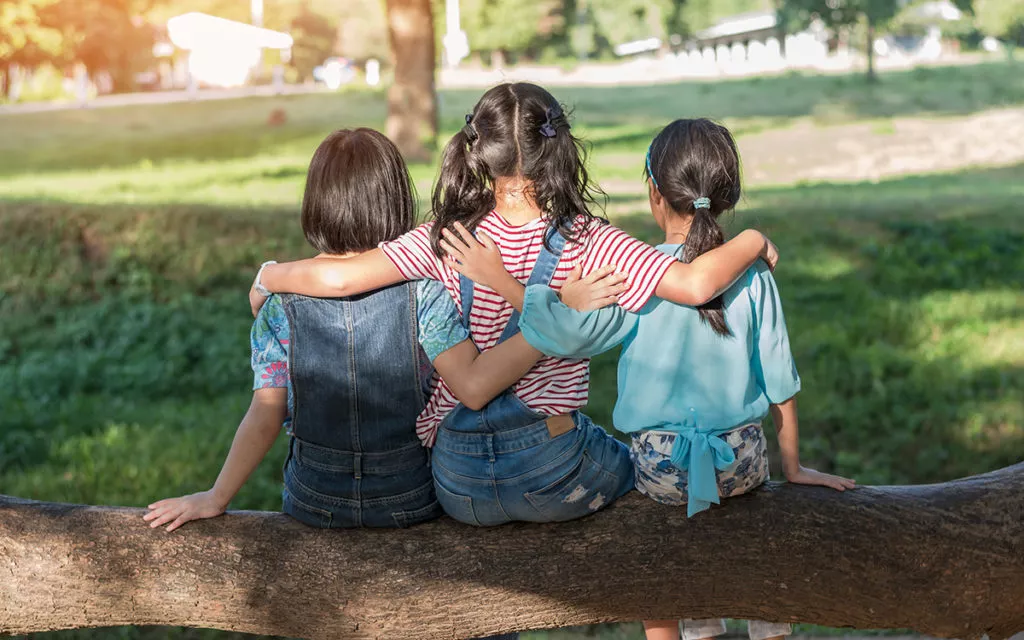
After-school care programs help everyone feel like they belong. When kids hang out with the same group of friends, they build a sense of community and learn to see and appreciate things from different viewpoints. When your child spends time with peers from different backgrounds, they develop essential social skills like empathy, inclusivity, and respect.
After-school programs emphasize kids’ collaboration with a partner or in a larger group. This builds essential teamwork skills like communication, collaboration, and problem-solving. By working together, your kid will learn to share ideas, find common ground, and recognize what others bring to the table.
While attending after-school programs, kids will not always get along with each other. Fights and disagreements are a part of life, but when they happen during after-school programs, they are the perfect opportunity for kids to learn how to solve problems peacefully. Skilled caregivers and program leaders guide children through conflict using techniques like active listening, problem-solving, and compromise.

Good communication is the foundation of any relationship. After-school programs at a Rockville day care provide a welcoming space for children to practice and improve their communication skills. When interacting with others, children can improve their verbal and nonverbal communication skills by talking to others, sharing their thoughts and feelings, and actively listening to their friends and caregivers.
Emotional intelligence impacts a child’s social development. After-school care programs offer a safe environment where kids can learn to notice, understand, and control their emotions. Through guided activities and peer interaction, kids become more self-aware, empathetic, and emotionally regulated. This will help them handle social situations more sensitively and confidently.
After-school programs help children become more resilient and teach them better ways to deal with their problems. Kids learn how to deal with sadness, accept change, and do their best when things go wrong. These events help the kid develop emotional intelligence, meaning they can handle their feelings and understand how others feel.
After-school programs often encourage kids to take on leadership roles and duties. Whether planning events, leading group activities, or guiding younger kids, these activities can help your child develop leadership skills. By taking on responsibilities and supporting peers, your child develops leadership skills like decision-making, problem-solving, and clear communication.

After-school programs can help kids feel better about themselves and less stressed about school or social pressures, especially those who have trouble learning. After-school activities may not feel as high-stakes or pressure-filled as school does. As a result, kids might be more open to trying new things, practicing new skills, and taking more chances. This can lead to increased self-esteem and confidence.
Preschool and elementary school kids are separated by age, which limits who they can become friends with. One of the best things about after-school programs is that they don’t always separate kids by age. So, your kid can hang out with other kids they might not run into at school since they’re not in the same grade. Interacting with kids of all ages helps children’s social development and improves their social skills.
After-school programs cannot focus on social and emotional learning if they don’t look at the child as a whole person. How well a child learns goes far beyond the grades they receive on their assignments.
In the best after-school programs, kids look up to their caregivers and often mimic what they do. These caregivers serve as excellent role models because they pay attention to what kids say, they find answers to the hardest problems, and they never give up. After-school programs need adults to teach children about getting along with others and understanding other people’s feelings.
Kids learn how to see things from different points of view when they see adults putting someone else’s feelings first during a disagreement. When kids see their caregivers talking things out with a friend, sharing treats or taking turns, they are more inclined to exhibit those same behaviors.
Kids attending after-school programs learn valuable social skills, like working together and problem-solving, through fun activities that boost their emotional and social growth. These activities shape social development by helping kids manage emotions and build healthy relationships.
MCCA has been recognized by the Maryland State Legislature for its commitment to Montgomery County issued a quality programs and special needs child care Proclamation in 2016 to MCCA for its commitment to Montgomery County child care for more than 50 years. MCCA was also selected as a 2018 nonprofit finalist for a MOXIE Award for boldness and innovation
MCCA is the oldest nonprofit licensed child care provider in Montgomery County and started its work in 1968 as a Community Action Project of the War on Poverty. Recognizing the need for quality child care programs in their neighborhoods, a group of local activists formed an association to establish centers in Montgomery County that would serve a diverse population and establish high standards for child care. Now, more than 50 years later, MCCA’s dedicated and expertly trained staff continue their tradition of providing high quality child care and play-based education for children.
Families with school aged children who can afford their child care expenses during the school year often struggle to afford the all-day programs they need when school is out for the summer. The Richard Krampf Summer Adventures Scholarship Fund was established to help provide children a safe and stimulating place to spend their weeks when school is out. Please contact an MCCA Director for details on how to apply.