
Kindness and empathy are essential traits to nurture from an early age. These qualities help children build strong relationships, develop social skills, and create a more compassionate and understanding community. As parents and caregivers that provide infant care in Silver Spring, MD, we must instill these values in our children so that they can contribute to and help create a kinder, more caring world.
When kids regularly show empathy, they build stronger bonds with their family and friends, which leads to better relationships. In addition, they can see things from different points of view and resolve disagreements more effectively. From a very young age, they learn social intelligence, which is very important for getting along with other people.
An empathetic environment also provides a sense of comfort for children who may feel different, reducing stress and anxiety—challenges often faced by neurodiverse kids. Children who are taught empathy and kindness from an early age make others feel cared for instead of left out, which builds strong relationships and lowers feelings of loneliness. Because of this, they will be better able to handle social situations and make lasting links throughout their lives.
Your child starts to understand that they are different from other people around them when they are 24 to 36 months old. To learn how to empathize, kids need to have a new sense of who they are, which is referred to as cognitive empathy. Cognitive empathy is when your child can think and understand how other people feel instead of acting in ways that show they understand or get upset when other people are upset.
Around the time your child is ready to start preschool in Silver Spring, they begin to understand that other people can feel and experience things in different ways. This skill, called viewpoint-taking or theory of mind, makes a new kind of empathy possible at this stage. Researchers have found that kids can better understand what other people are thinking and feeling when they are between the ages of 4 and 5.
The first stage in developing empathy is emotional literacy, which is the capacity to read or understand one’s own feelings and the emotions of others to determine how they are experiencing. Emotional literacy is the ability to notice how others are feeling.

Caregivers at a Silver Spring preschool know that teaching young children empathy is important to their development because it helps them build their emotional intelligence and social skills. While they may still be learning how to handle their own feelings, teaching them about empathy can help them start to understand and deal with other people’s feelings.
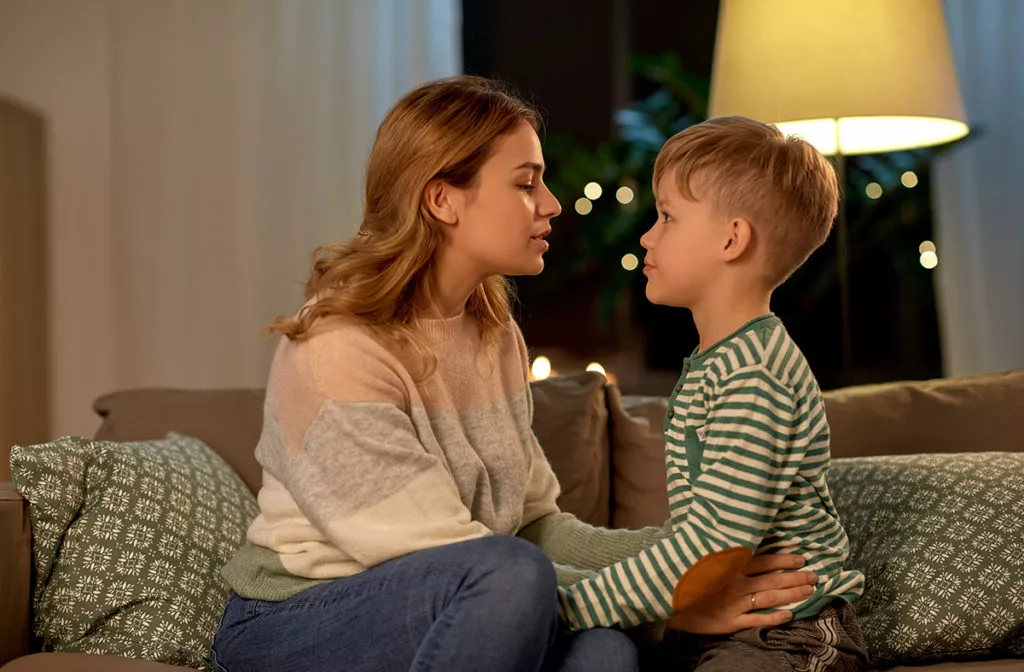
Talking about your feelings is critical for emotional literacy. By encouraging open communication and providing a safe environment for children, they will be compelled to seek you out again and again when they are unsure about their thoughts or just want to talk about them. In turn, you can discuss your feelings to urge them to share theirs. Not only will you normalize discussing feelings, but you will also set an example for kids to follow.
Talking about feelings and empathy with young kids who get bored quickly might be more challenging. To keep young kids interested, tell them to think about how they’re feeling while doing different things. Remember that kids can show how they feel in any way they want as long as they are kind to those around them.
During circle time, read stories that discuss feelings, understanding, and kindness. As you read, stop for a moment to discuss how the characters are feeling and ask the kids questions about those feelings. Take breaks to discuss how the character is feeling as the story goes on.

When kids are encouraged to share with their classmates or siblings, help a friend in need, or do something nice for someone, they start to think about what others need and how they feel. Simple, everyday actions can really help kids learn empathy. They show that even small gestures of kindness can make a big difference in someone’s day.
There are lots of opportunities to help other people every day. By showing them these opportunities, you can help the kids in your care learn how to care for others. For example, you could ask other kids to help a child who is having trouble with something like cleaning up or picking up a toy.
One more way to help kids under five develop empathy is by celebrating their positive wins and behaviors. Highlighting positive behavior helps kids see what empathy is all about. For instance, when a child notices another child in distress and brings them a toy for comfort or gives them a reassuring pat on the back, you can highlight this to the class by saying, “That was really thoughtful of you to bring your friend a toy to help them feel better.”
One of the most effective ways to help kids learn empathy is to show it yourself. It’s great to show active listening and respond to the kids with empathy in what you say and do. It’s great to show how to express your feelings and tackle problems while also bringing in some new emotional vocabulary words.
Both parents and caregivers at a preschool in Silver Spring, MD, play a key role in showing empathetic behavior and helping kids learn about kindness and empathy. When we encourage empathy, we’re helping kids develop the emotional smarts they need to connect with others, create strong relationships, and approach life with kindness and understanding.
Teaching empathy is really a journey that takes ongoing effort, attention, and practice. With that in mind, the benefits of raising emotionally intelligent and empathetic kids are truly priceless. As we build a kinder, more compassionate world, we can help kids on this important journey. We can guide them to positively impact the lives of those they care about and the friends they meet along the way.
MCCA has been recognized by the Maryland State Legislature for its commitment to Montgomery County issued a quality programs and special needs child care Proclamation in 2016 to MCCA for its commitment to Montgomery County child care for more than 50 years. MCCA was also selected as a 2018 nonprofit finalist for a MOXIE Award for boldness and innovation
MCCA is the oldest nonprofit licensed child care provider in Montgomery County and started its work in 1968 as a Community Action Project of the War on Poverty. Recognizing the need for quality child care programs in their neighborhoods, a group of local activists formed an association to establish centers in Montgomery County that would serve a diverse population and establish high standards for child care. Now, more than 50 years later, MCCA’s dedicated and expertly trained staff continue their tradition of providing high quality child care and play-based education for children.
Families with school aged children who can afford their child care expenses during the school year often struggle to afford the all-day programs they need when school is out for the summer. The Richard Krampf Summer Adventures Scholarship Fund was established to help provide children a safe and stimulating place to spend their weeks when school is out. Please contact an MCCA Director for details on how to apply.