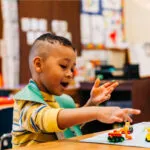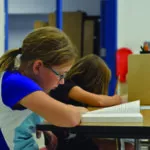

It’s common for parents to notice their child having conflicts with classmates at home or hearing about disagreements from teachers. Conflicts can range from small arguments over toys to disagreements about group activities, and they provide important opportunities for children to learn social skills. Teachers in Rockville schools often observe that children develop stronger communication and empathy when guided through these situations with support from adults.
Children may struggle with peer interactions for several reasons:
Understanding these reasons helps parents and teachers respond with patience and guidance rather than frustration.

Parents might notice:
If these behaviors persist, it’s helpful to observe patterns and discuss strategies with your child’s teacher. Educators in Rockville often collaborate with parents to support children in building positive relationships.
There are several ways parents and teachers can help kids resolve conflicts effectively:
You can learn more about these techniques in our article on Supporting Toddler Social Skills.
If conflicts continue or escalate, it’s important to speak with your child’s teacher. Teachers can:
Early communication between home and school ensures children develop social skills in a supportive environment.

Helping children navigate disagreements builds important life skills. Parents can also:
Preschools such as those in Rockville intentionally incorporate these strategies into daily routines, helping children build social competence and confidence.
Conflicts are a natural part of learning how to interact with others. By guiding children through disagreements with patience, clear expectations, and positive reinforcement, parents and teachers help them develop resilience, empathy, and problem-solving skills. Every child progresses at their own pace, and consistent support ensures they thrive socially and emotionally.
Learn more about children’s development by visiting:
MCCA has been recognized by the Maryland State Legislature for its commitment to Montgomery County issued a quality programs and special needs child care Proclamation in 2016 to MCCA for its commitment to Montgomery County child care for more than 50 years. MCCA was also selected as a 2018 nonprofit finalist for a MOXIE Award for boldness and innovation
MCCA is the oldest nonprofit licensed child care provider in Montgomery County and started its work in 1968 as a Community Action Project of the War on Poverty. Recognizing the need for quality child care programs in their neighborhoods, a group of local activists formed an association to establish centers in Montgomery County that would serve a diverse population and establish high standards for child care. Now, more than 50 years later, MCCA’s dedicated and expertly trained staff continue their tradition of providing high quality child care and play-based education for children.
Families with school aged children who can afford their child care expenses during the school year often struggle to afford the all-day programs they need when school is out for the summer. The Richard Krampf Summer Adventures Scholarship Fund was established to help provide children a safe and stimulating place to spend their weeks when school is out. Please contact an MCCA Director for details on how to apply.