

How to encourage independent play in toddlers is one of the most common questions parents ask when their child is between ages one and three. Independent play not only helps toddlers develop problem-solving skills and confidence, but it also gives parents a moment to recharge. Just as group play is crucial for social growth, independent play allows children to explore, create, and learn at their own pace.
Independent play is just as important as group play. While interacting with peers strengthens social skills, solo play helps toddlers gain other lifelong skills:
Problem-Solving Abilities: Children learn to troubleshoot, experiment, and find solutions independently.
Self-Confidence: Mastering tasks on their own builds self-assurance and a sense of accomplishment.
Creativity and Imagination: Solo play encourages original thinking, storytelling, and imaginative scenarios.
Emotional Regulation: Children learn patience, focus, and self-control as they navigate challenges without immediate adult intervention.
Balanced Social Skills: When combined with group activities, children develop confidence both independently and socially.
Educators at early learning centers in Potomac often emphasize the balance between independent and group play which helps toddlers thrive both individually and in social settings.
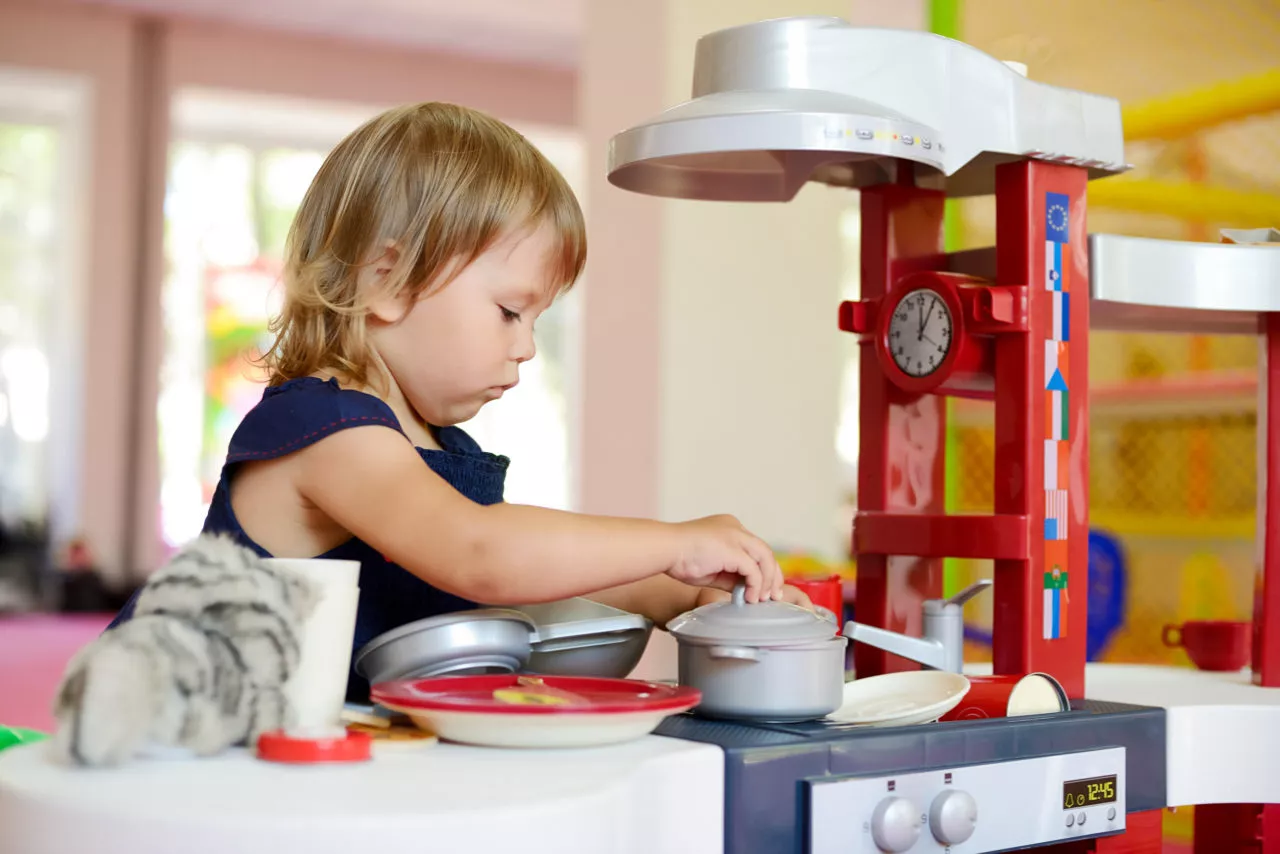
Creating a supportive environment encourages children to explore while still feeling safe.
Parents can:
Provide Accessible Toys and Materials: Keep toys that spark curiosity and exploration within easy reach.
○ Blocks: Encourage problem-solving and hand-eye coordination.
○ Simple Puzzles: Support concentration and patience.
○ Pretend Play: Kitchen sets, dolls, or toy animals stimulate creativity.
○ Drawing or Scribbling: Crayons, markers, and paper allow self-expression.
Create a Safe, Comfortable Space: A dedicated play area allows toddlers to explore freely without constant adult intervention.
Rotate Activities: Changing toys and materials regularly keeps engagement high and sparks creativity.
Include Everyday Items: Fabrics, containers, or even cups can inspire imaginative play.
At Potomac early learning centers, educators design classroom spaces that foster both independent and group learning, giving toddlers a well-rounded experience.

Encouraging independent play at home supports social, emotional, and cognitive growth while giving parents a brief break.
Offer Short, Manageable Play Sessions: Begin with 5–10 minutes and gradually increase as your child becomes comfortable.
Observe Quietly: Step back and resist the urge to intervene immediately. Allowing toddlers to navigate challenges on their own helps them build problem-solving skills, self-confidence, and perseverance. Observe your child’s strategies and creativity but, let them find solutions independently unless safety is a concern.
Celebrate Small Successes: Praise creativity, effort, and independent achievements to reinforce confidence.
Balance With Group Play: Incorporate interactive games after solo play sessions to maintain social engagement and cooperative skills.
Independent play is a critical part of early childhood development, just as important as group play. It nurtures creativity, self-confidence, problem-solving abilities, and emotional regulation. By offering a supportive environment at home or at our Potomac preschool, toddlers develop independence while maintaining social growth.
For more strategies on early learning at home, check out our posts on Preschool Activities You Can Do at Home to Encourage Learning and Fun Weekend Learning Activities for Toddlers and Preschoolers.
MCCA has been recognized by the Maryland State Legislature for its commitment to Montgomery County issued a quality programs and special needs child care Proclamation in 2016 to MCCA for its commitment to Montgomery County child care for more than 50 years. MCCA was also selected as a 2018 nonprofit finalist for a MOXIE Award for boldness and innovation
MCCA is the oldest nonprofit licensed child care provider in Montgomery County and started its work in 1968 as a Community Action Project of the War on Poverty. Recognizing the need for quality child care programs in their neighborhoods, a group of local activists formed an association to establish centers in Montgomery County that would serve a diverse population and establish high standards for child care. Now, more than 50 years later, MCCA’s dedicated and expertly trained staff continue their tradition of providing high quality child care and play-based education for children.
Families with school aged children who can afford their child care expenses during the school year often struggle to afford the all-day programs they need when school is out for the summer. The Richard Krampf Summer Adventures Scholarship Fund was established to help provide children a safe and stimulating place to spend their weeks when school is out. Please contact an MCCA Director for details on how to apply.