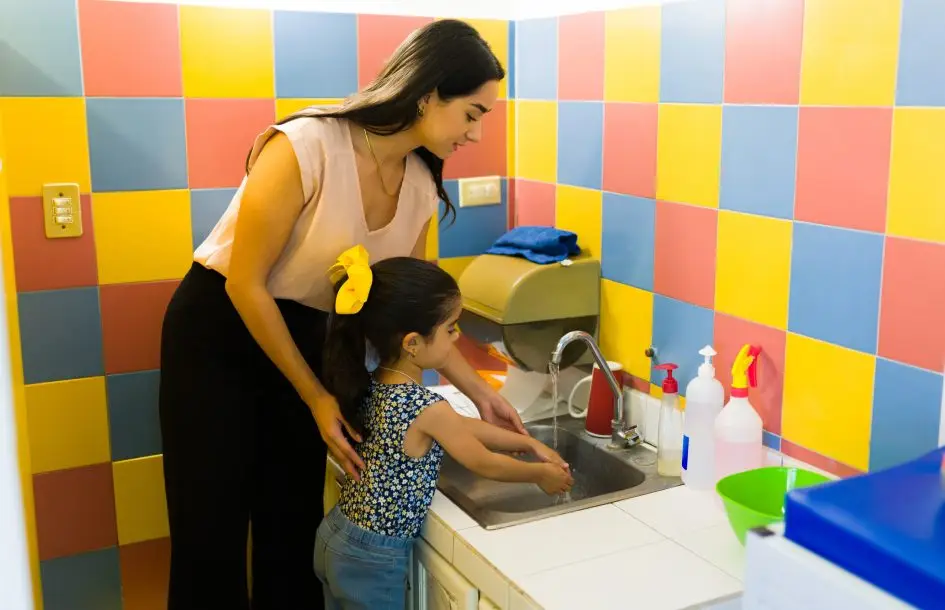

How do child care centers help prevent the spread of illness? This is a common concern for parents, especially during cold and flu season when young children are building their immune systems and spending time in group settings. While exposure to germs is part of early childhood, child care centers helping prevent the spread of illness is a key factor in keeping children healthy and families confident in their care.
High-quality child care centers take intentional, proactive steps to keep children as healthy as possible. Understanding these practices can give families confidence in the care their children receive each day.

Strong hygiene routines are the foundation of illness prevention in child care settings. Teachers model and reinforce healthy habits that children can carry with them long term.
Handwashing happens many times throughout the day: after play, before meals, after bathroom use, and following outdoor activities. These consistent routines help reduce the spread of germs before they become a problem.
This approach aligns with strategies discussed in Winter Health Tips for Children: Keeping Kids Healthy and Happy, where simple daily habits play a powerful role in keeping kids healthy.
Many Silver Spring child care centers build handwashing into transitions so it becomes second nature for children.
Preschoolers are learning how their actions affect others. Child care centers help children understand the importance of covering coughs, using tissues, and washing hands, all in age-appropriate, reassuring ways.
These early lessons support both physical health and social responsibility.
Toys, learning materials, tables, and high-touch surfaces are cleaned and sanitized regularly throughout the day. This is especially important in environments where children learn through hands-on play. Silver Spring preschools often follow structured cleaning schedules to ensure consistency and accountability.
Child care centers reduce germ spread by rotating toys and choosing materials that are easy to clean. Items used by infants and toddlers receive extra attention due to frequent hand-to-mouth exploration. This thoughtful planning helps limit unnecessary exposure while still supporting play-based learning.

One of the most effective ways child care centers prevent illness is by enforcing clear health policies. Parents are guided on when children should stay home, helping protect the entire classroom community. For guidance, see: When Should Kids Stay Home From School? Understanding Illness Guidelines for Parents.
Preventing illness is a team effort. Child care centers rely on open communication with families about health updates, exposure notices, and seasonal reminders.
Teachers are trained to watch for early signs of illness, such as fever, fatigue, or changes in behavior. When concerns arise, families are notified promptly so children can receive appropriate care. This shared responsibility between families and caregivers is essential for maintaining a healthy environment.
Proper nutrition plays a role in immune health. Child care centers encourage balanced meals and healthy snacks that support growing bodies.
This approach reflects insights from the importance of nutrition for growing kids, where nourishing foods help fuel learning and overall wellness.
To learn more, see: How Nutrition Affects Learning in Children
Adequate rest helps children’s bodies recover and stay resilient. Predictable schedules that include rest or quiet time help reduce stress and support immune function.
Many Silver Spring preschools recognize that well-rested children are better able to fight off illness and engage positively throughout the day.

Illness prevention isn’t just about reducing sick days, it’s about creating an environment where children feel safe, supported, and ready to learn. When children stay healthier, they experience more consistency, stronger social connections, and better emotional well-being.
When evaluating child care options, parents can ask about:
Centers that prioritize these areas are better equipped to support children’s health year-round.
How child care centers help prevent the spread of illness goes beyond policies and procedures, it’s about teaching children lifelong habits that support their well-being. Through hygiene, communication, nutrition, and consistent routines, child care centers play a vital role in protecting children while helping them grow.
By partnering with families and maintaining thoughtful health practices, preschools and child care centers help create environments where children can thrive, even during the busiest seasons of the year.
MCCA has been recognized by the Maryland State Legislature for its commitment to Montgomery County issued a quality programs and special needs child care Proclamation in 2016 to MCCA for its commitment to Montgomery County child care for more than 50 years. MCCA was also selected as a 2018 nonprofit finalist for a MOXIE Award for boldness and innovation
MCCA is the oldest nonprofit licensed child care provider in Montgomery County and started its work in 1968 as a Community Action Project of the War on Poverty. Recognizing the need for quality child care programs in their neighborhoods, a group of local activists formed an association to establish centers in Montgomery County that would serve a diverse population and establish high standards for child care. Now, more than 50 years later, MCCA’s dedicated and expertly trained staff continue their tradition of providing high quality child care and play-based education for children.
Families with school aged children who can afford their child care expenses during the school year often struggle to afford the all-day programs they need when school is out for the summer. The Richard Krampf Summer Adventures Scholarship Fund was established to help provide children a safe and stimulating place to spend their weeks when school is out. Please contact an MCCA Director for details on how to apply.