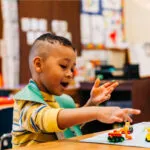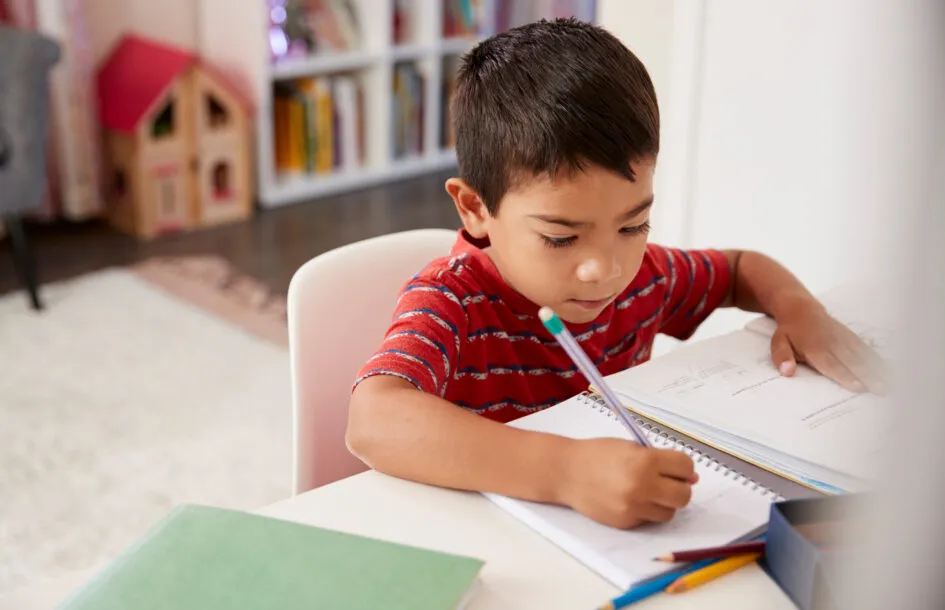

Fine motor skills for children play a major role in early learning, independence, and confidence. Teachers at Silver Spring learning centers often see that children with strong fine motor skills are more confident, focused, and ready to tackle both creative and structured classroom activities. Below is a parent-friendly guide to help strengthen fine motor skills at home through playful, hands-on activities.
Fine motor development helps children gain control of the small muscles in their hands, fingers, and wrists. When these muscles strengthen, children can better grasp tools, manipulate small objects, and engage in meaningful early learning tasks.
Gross motor skills, like running, climbing, and balancing, also support fine motor development by building core strength and coordination, which makes hand movements more controlled and precise.
To learn more about large-movement skills and their benefits, see:
Gross Motor Skills: Why They Matter and How to Strengthen Them
Fine motor skills for children support:
Strengthening these muscles now sets the stage for more advanced skills later.
Squeezing, rolling, pinching, and shaping dough strengthens the small muscles children need for writing, cutting, and self-care skills.
Try this: Make “tiny balls,” hide beads in the dough for kids to find, or have them create pretend food.
Children at local Silver Spring preschools often enjoy these activities as part of classroom centers.

Picking up small objects with tools builds hand strength and coordination.
These games also support early math concepts like grouping and categorizing. For more early math learning, see:
6 Hands-On Math Activities for Preschoolers (No Worksheets Needed)
Peeling stickers or pulling pieces of tape off surfaces requires precise finger movements.
Boost it: Create sticker paths, shape designs, or sticker scavenger hunts.
Threading beads, pasta, or lacing cards develops bilateral coordination (using both hands together), which is essential for writing, cutting, and other fine motor tasks. These activities also strengthen finger muscles and improve hand–eye coordination.
Beads or pasta: String dried pasta, beads, or cereal onto yarn or pipe cleaners to create necklaces, bracelets, or patterns. Children practice patience, concentration, and early math skills like sorting and sequencing.
Lacing cards or shapes: Use pre-made lacing cards with animals, letters, or numbers, or make your own by cutting cardboard shapes and punching holes along the edges. Children weave yarn or shoelaces through the holes, simulating “sewing” in a safe, fun way that builds coordination and focus.
Cutting (with child safety scissors to begin with) promotes control, grip, strength, and hand-eye coordination.
Start with:

Everyday routines naturally strengthen fine motor skills while keeping learning fun. Children don’t need to get it right the first time. Repeated practice is what helps them improve.
Encourage children to:
Teachers at Silver Spring preschools often use these routines in classrooms to support both independence and fine motor development.
Sensory bins with rice, beans, water, or sand invite children to pour, scoop, and sift, which is excellent for wrist rotation and control.
Tip: Add cups, spoons, funnels, or small containers for extended play.
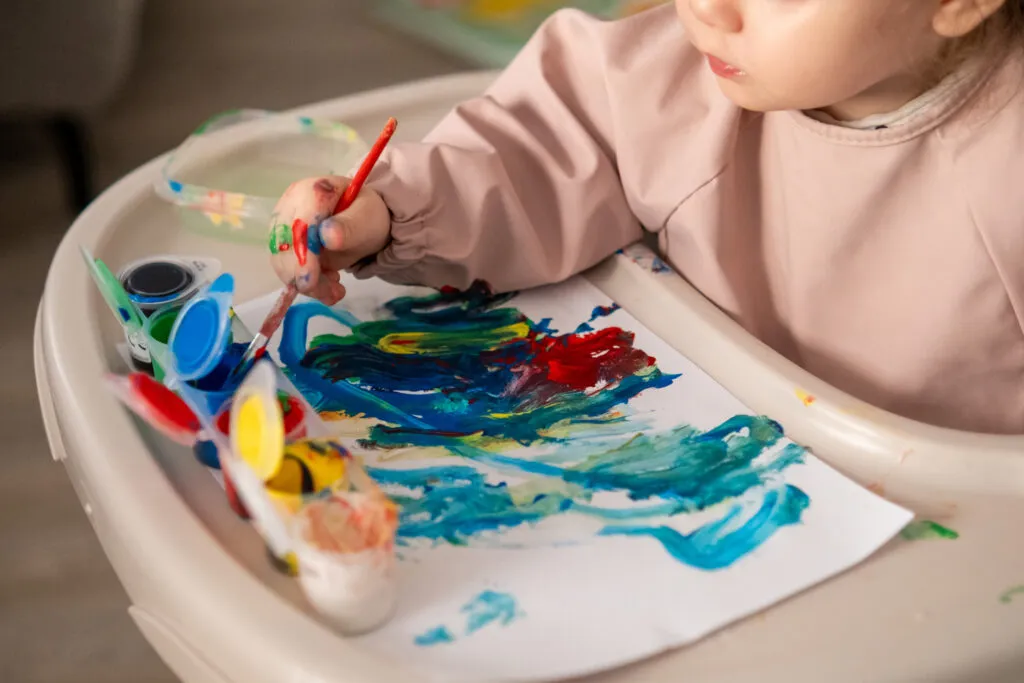
Painting with Different Tools
Using paintbrushes, sponges, cotton swabs, or even toy cars strengthens small muscles in new ways.
Crayon Rubbing & Coloring on Vertical Surfaces
Coloring on easels, walls (using paper!), or windows (with washable markers) encourages proper wrist positioning and core stability.
For more ways to encourage fine motor skills through art, see:
Helping Preschoolers Develop Fine Motor Skills through Arts and Crafts
You can sneak fine motor work into outdoor play too.
Try activities like:
Supporting fine motor skills for children doesn’t require worksheets or structured drills. With simple, engaging activities using items already in your home, you can help strengthen the muscles that support independence, creativity, and early learning.
For more on child development, see our posts on:
MCCA has been recognized by the Maryland State Legislature for its commitment to Montgomery County issued a quality programs and special needs child care Proclamation in 2016 to MCCA for its commitment to Montgomery County child care for more than 50 years. MCCA was also selected as a 2018 nonprofit finalist for a MOXIE Award for boldness and innovation
MCCA is the oldest nonprofit licensed child care provider in Montgomery County and started its work in 1968 as a Community Action Project of the War on Poverty. Recognizing the need for quality child care programs in their neighborhoods, a group of local activists formed an association to establish centers in Montgomery County that would serve a diverse population and establish high standards for child care. Now, more than 50 years later, MCCA’s dedicated and expertly trained staff continue their tradition of providing high quality child care and play-based education for children.
Families with school aged children who can afford their child care expenses during the school year often struggle to afford the all-day programs they need when school is out for the summer. The Richard Krampf Summer Adventures Scholarship Fund was established to help provide children a safe and stimulating place to spend their weeks when school is out. Please contact an MCCA Director for details on how to apply.